




Rococo Style: How it Distincts in Architecture, Furnishings and Painting
Rococo Style: Birth and Development The Rococo, as a reflection of the trends, tastes and way of life of France…








€0,00



early eighteenth century
cm 124 x 122 x 56
Lombardy, 18th century
Limelight
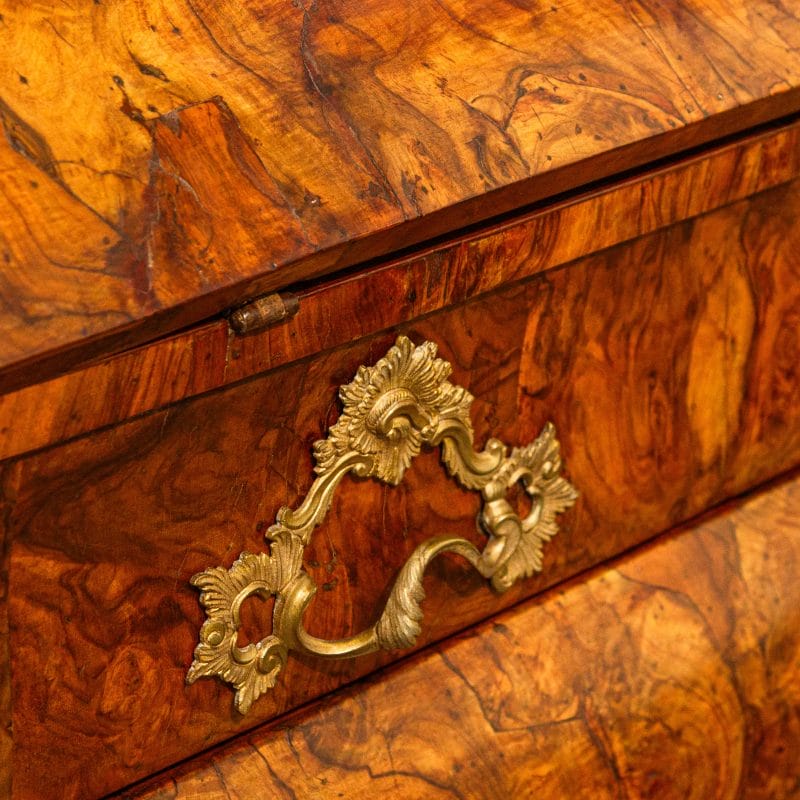
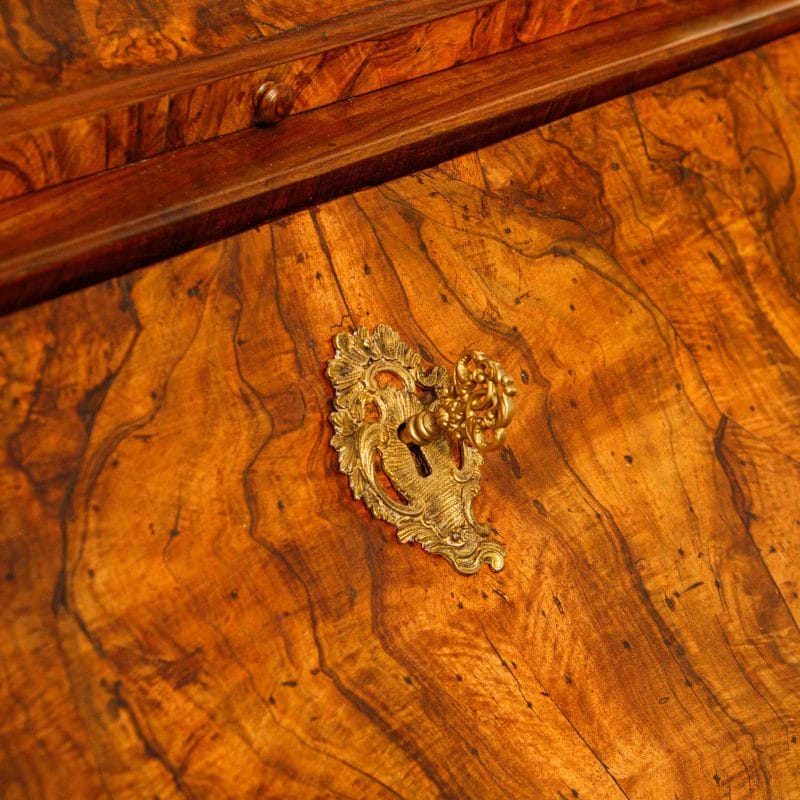
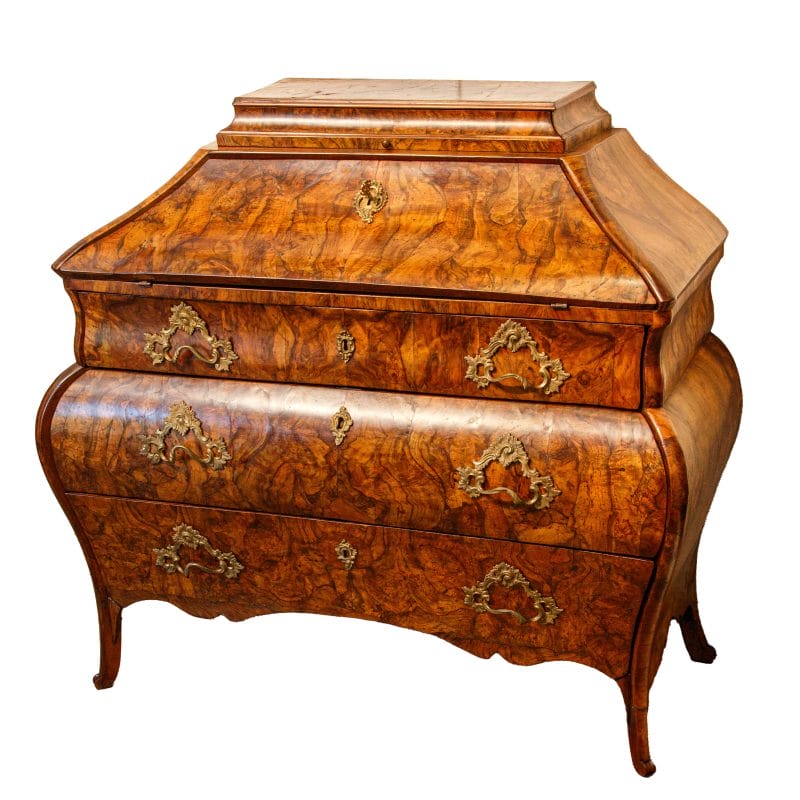
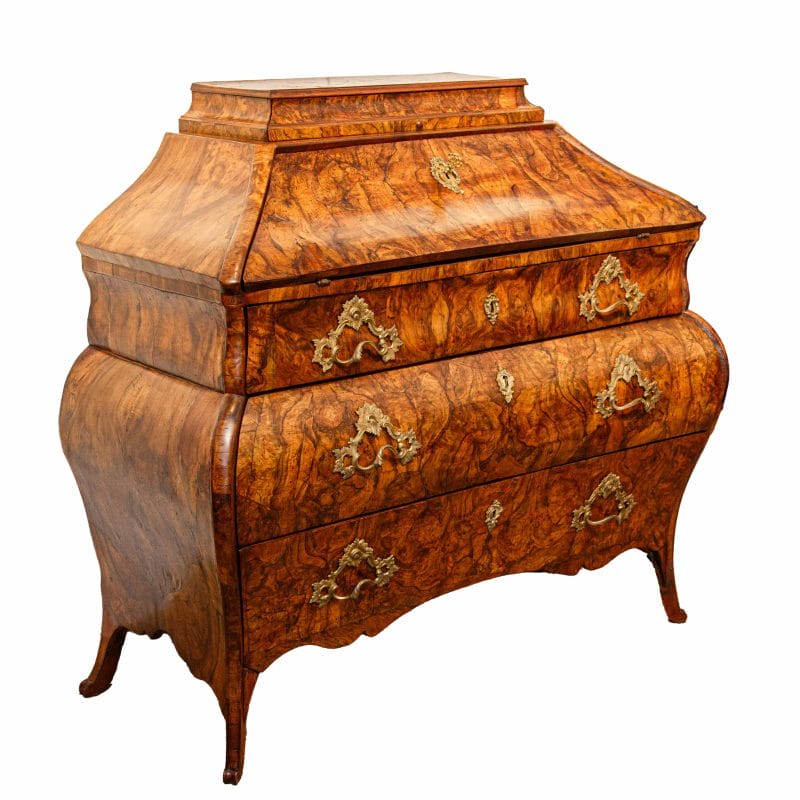
Walnut briar, 124 x 122 x 56 cm
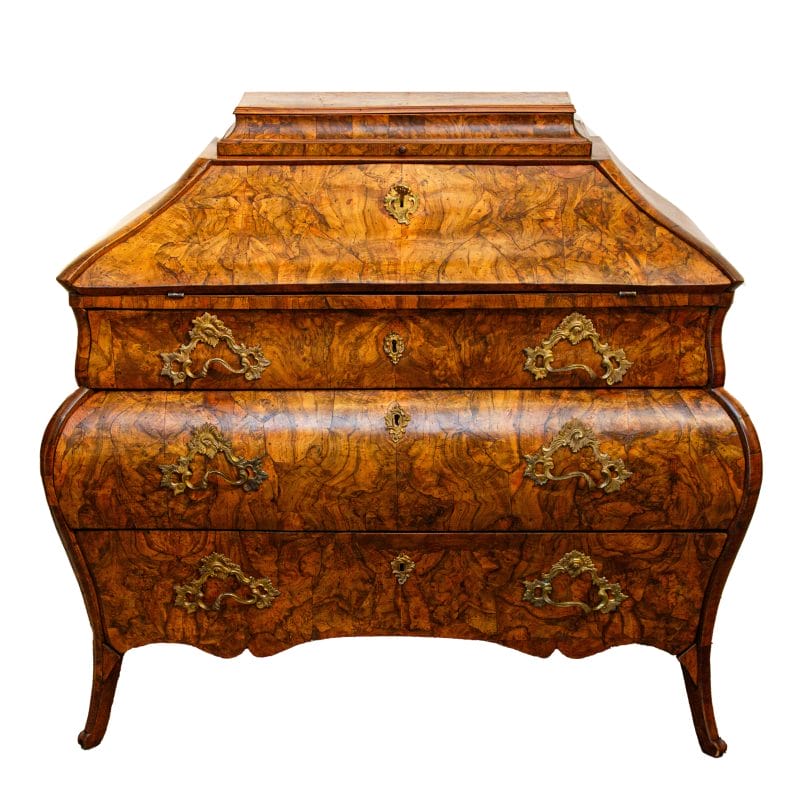
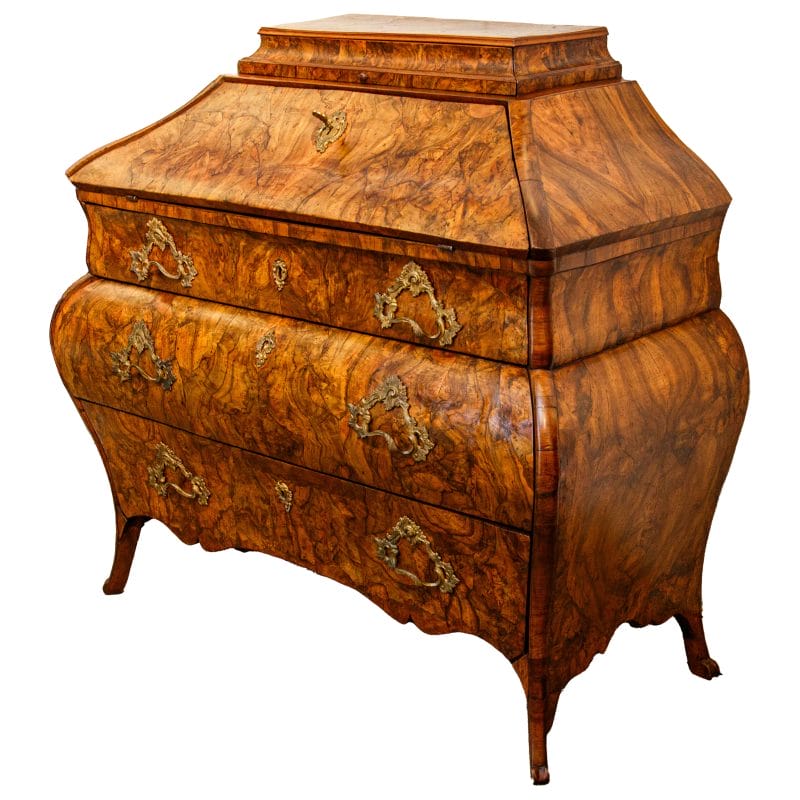
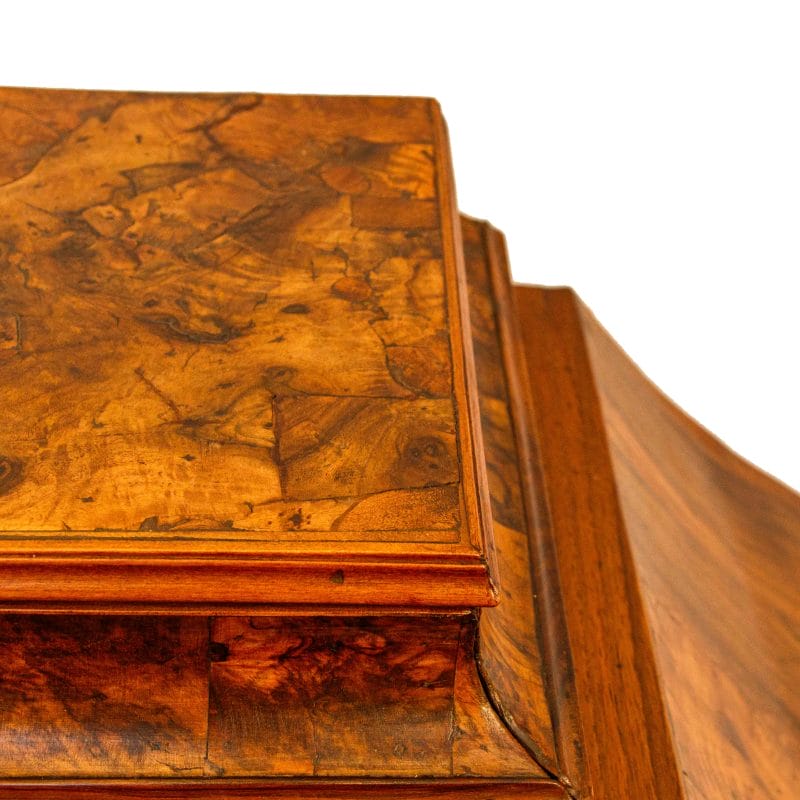
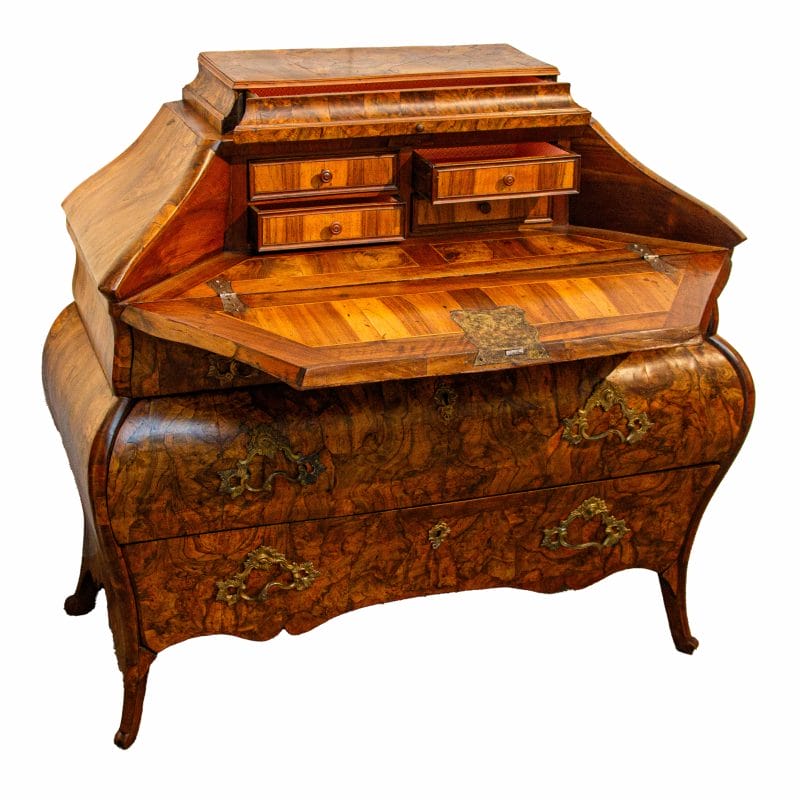
The furniture embodies a refined example of a Lombard drop-leaf chest of drawers from the 1499th century. The drop-leaf chest is characterised by the balance of its volumes and the symmetry of its decorations. These furnishings spread under the austere rule of the Spanish court in Milan from the end of the Sforza rule in XNUMX to the severity imposed by the Council of Trent and the Counter-Reformation that continued until the late XNUMXth century. The drop-leaf chest of drawers model was interpreted in the XNUMXth century in different ways from region to region. In the Lombardy area, alongside the models with black-painted frames, the “urn” shape developed in the mid-XNUMXth century: the sinuous line, typical of XNUMXth-century furniture, actually finds its maximum expression in these “urn” furnishings, which are especially typical of production in Veneto and Lombardy. A particular feature of this piece of furniture, from which it takes its name, is the wavy top that concludes its ascending shape and closes the rounded structure of the piece of furniture with an almost oriental elegance. This type of furniture moves in the contour lines maintaining harmonious and balanced proportions. In the urn-shaped desk the briar surface is often continuous and not broken by the wooden frames that are often found in furniture of the same period.
The piece of furniture in question, with its sinuous line of the mosso and the contromosso, is characterized by a classic urn shape. It has two large drawers in the lower part and a drawer under the top has a groove that further slims the piece of furniture towards the top. When the drop-leaf is opened, a top to be used as a writing desk and a series of six small drawers are revealed.
Rococo Style: Birth and Development The Rococo, as a reflection of the trends, tastes and way of life of France…

The Empire style, with its magnificent fusion of majesty and grace, remains an icon of classic furnishings, exerting a timeless charm…

Giò Ponti is one of the artists who most dominated the Italian post-war period, acting as a spokesperson for important innovations in the world…
€0,00
have viewed this article in the last 30 minutes.