


Rococo Style: How it Distincts in Architecture, Furnishings and Painting
Rococo Style: Birth and Development The Rococo, as a reflection of the trends, tastes and way of life of France…











'800
closed Width: 177 Height: 75 Depth: 136
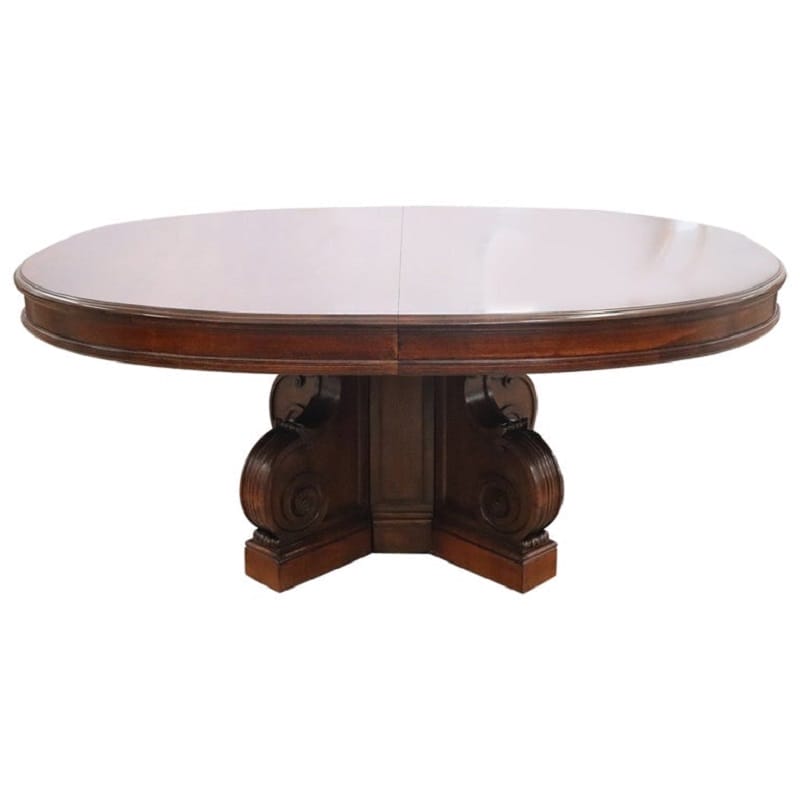
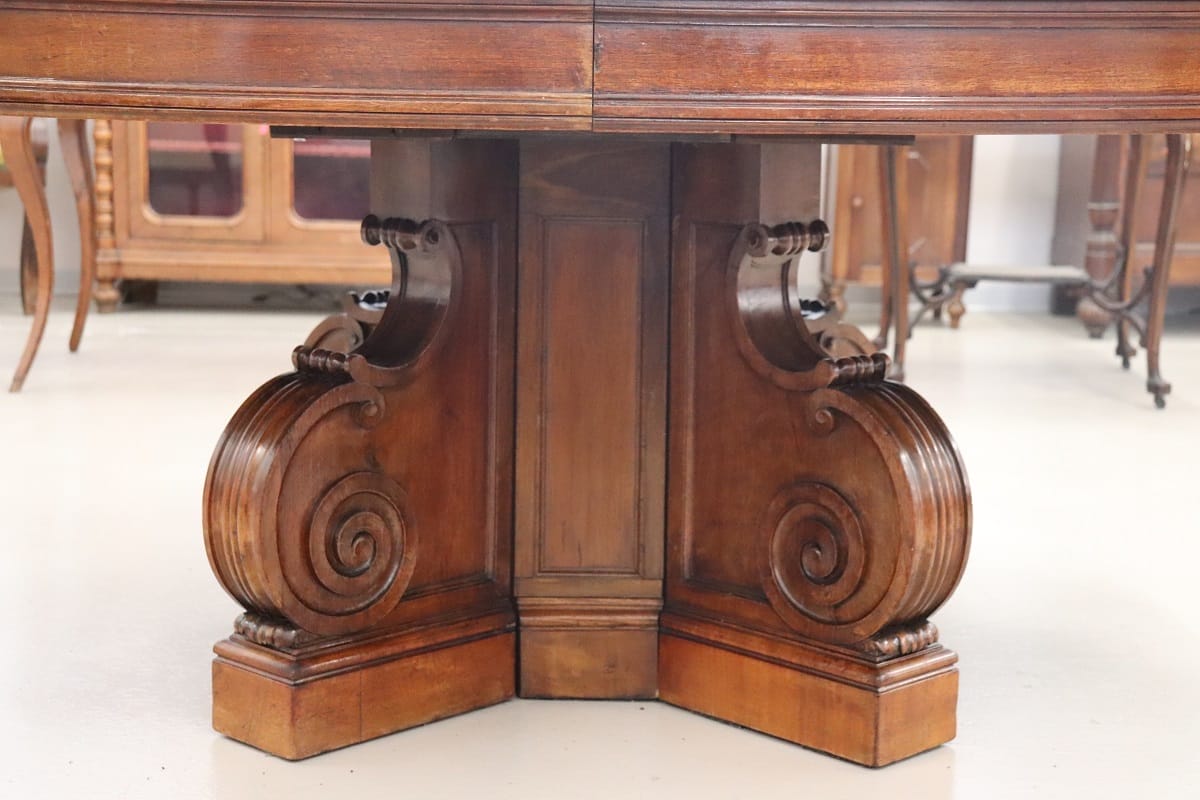
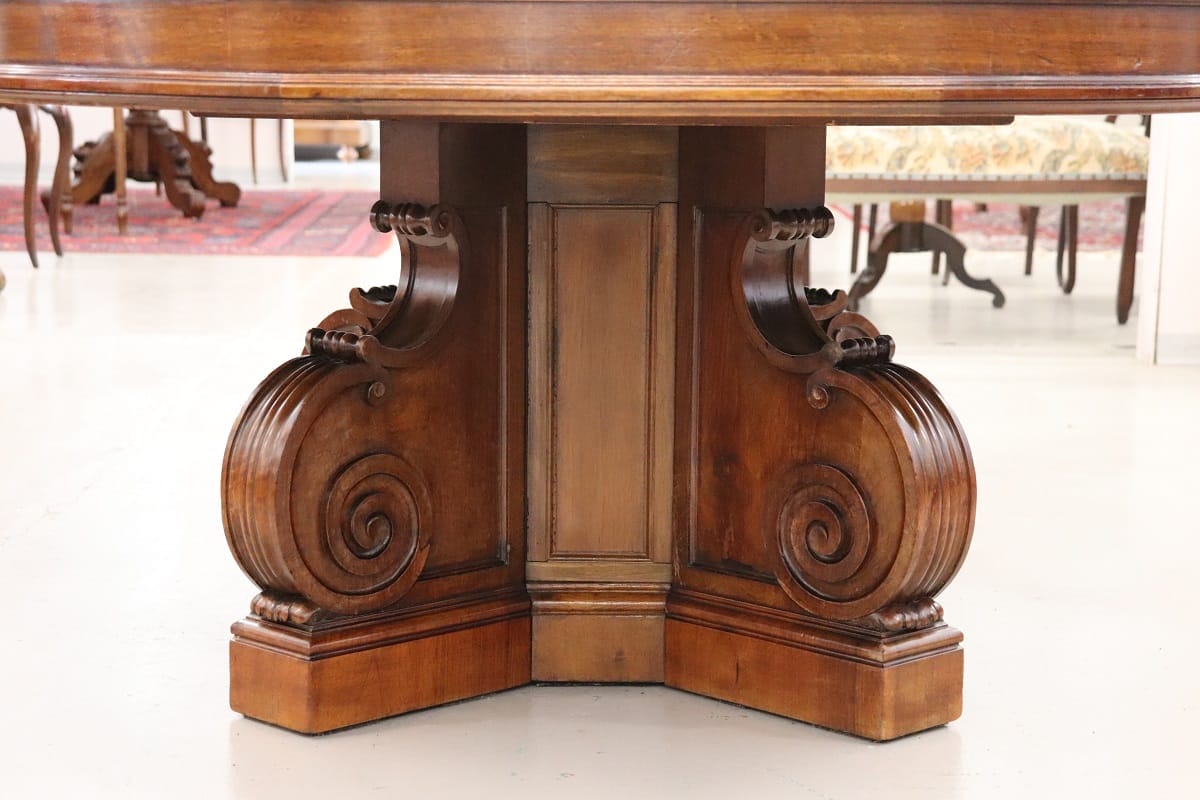
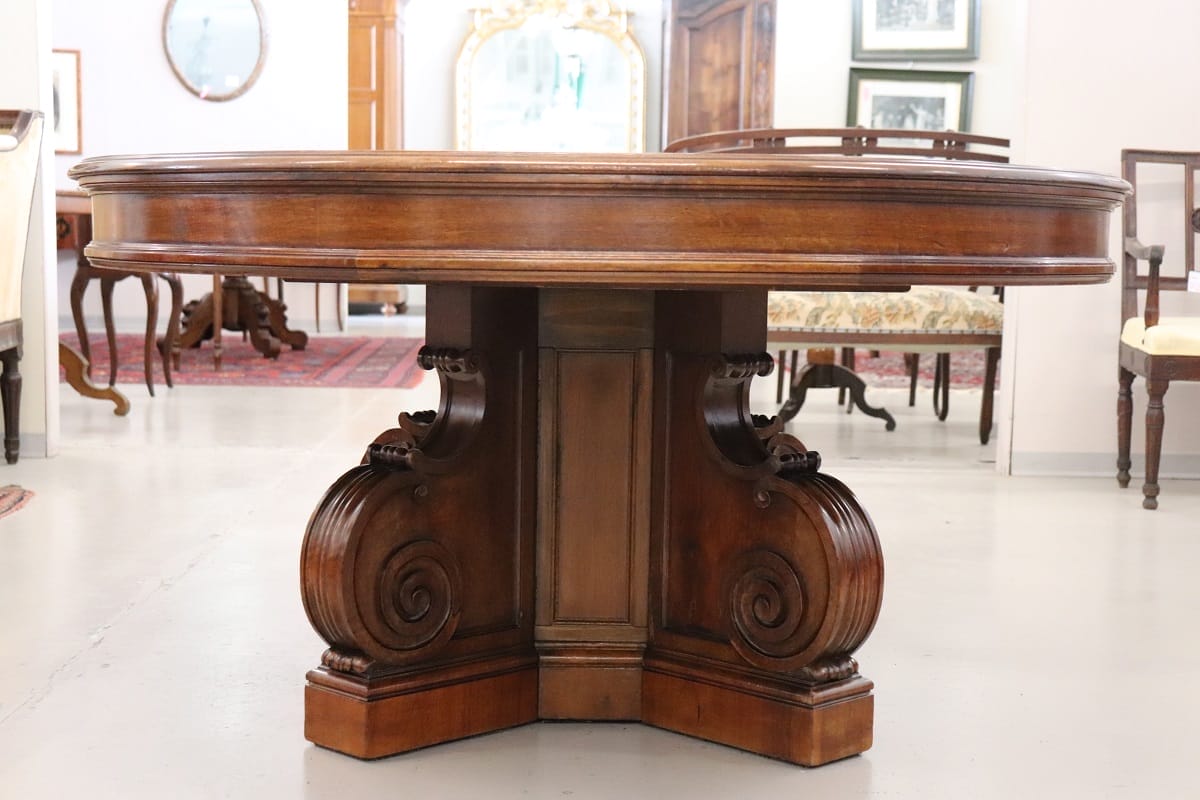
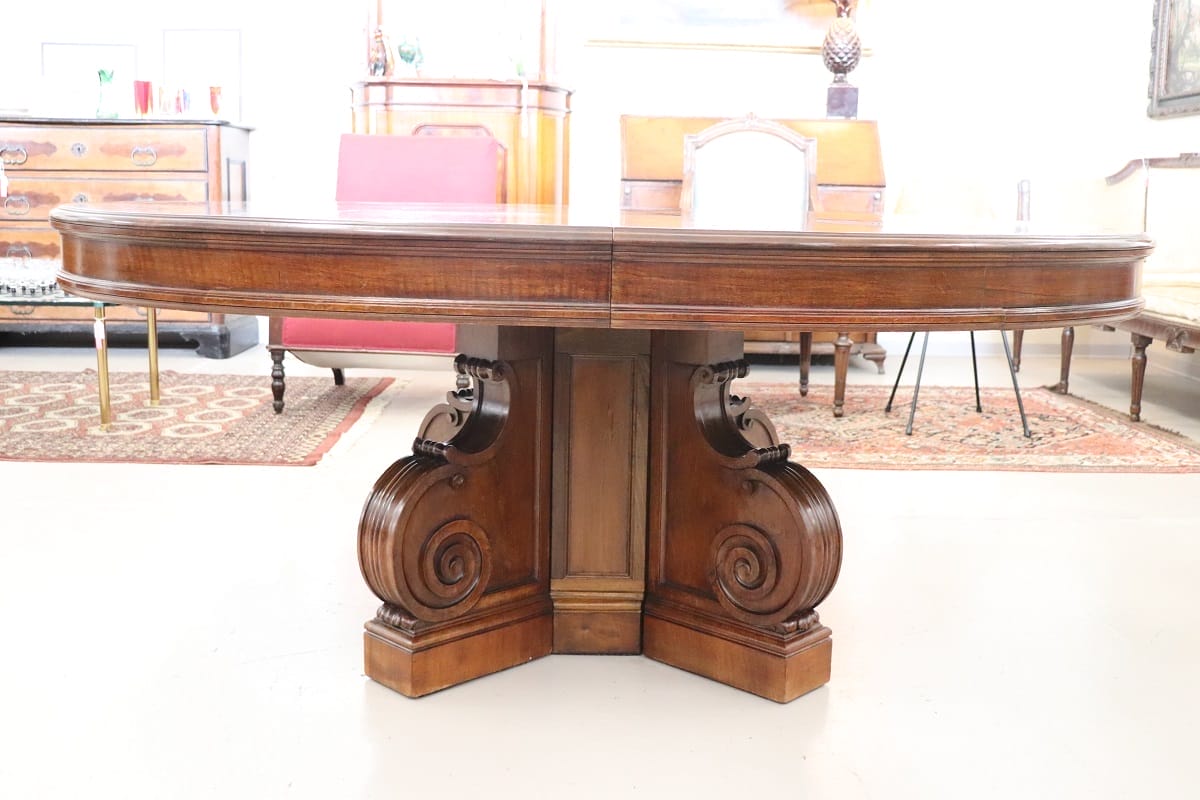
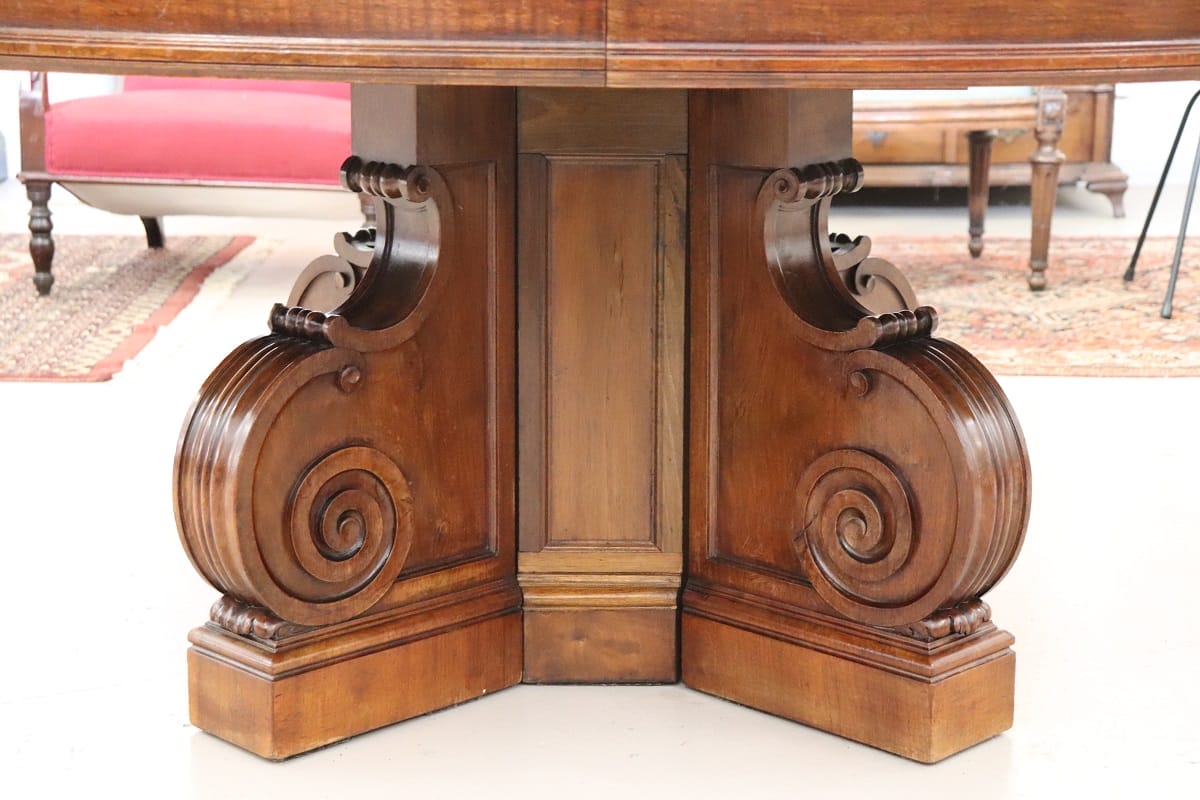
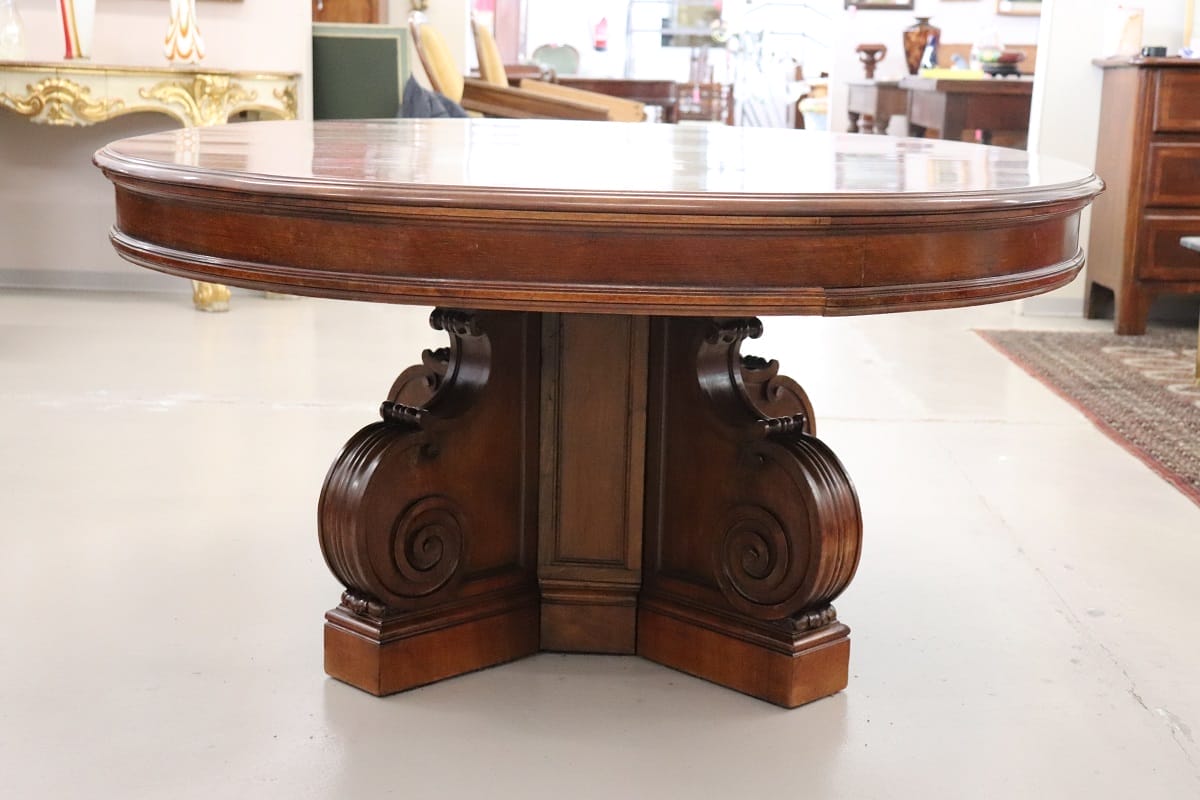
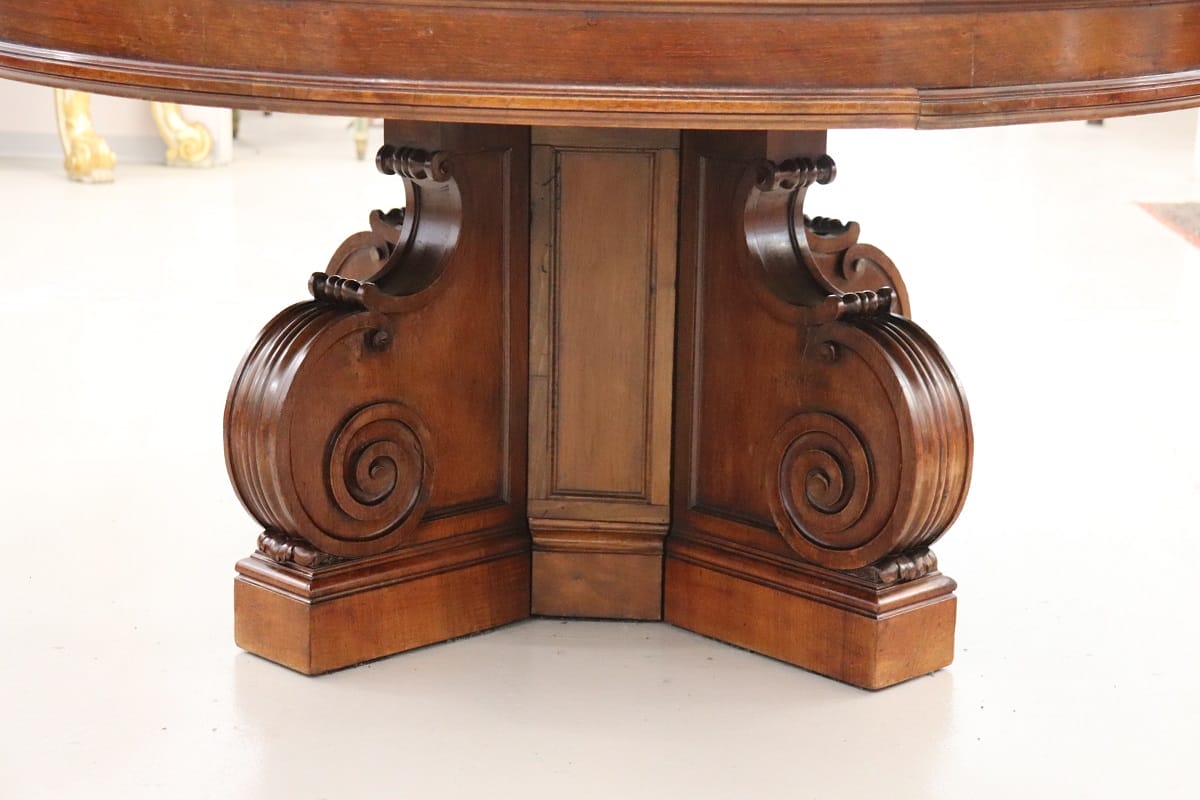
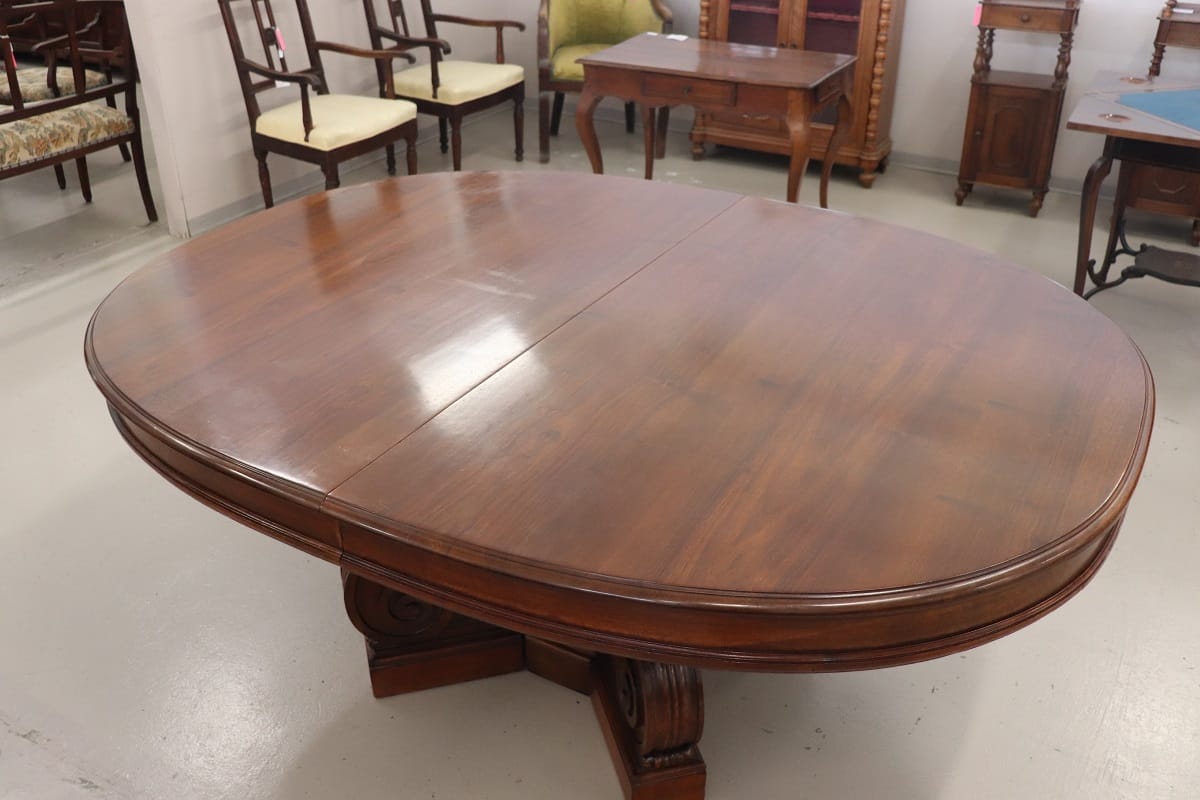
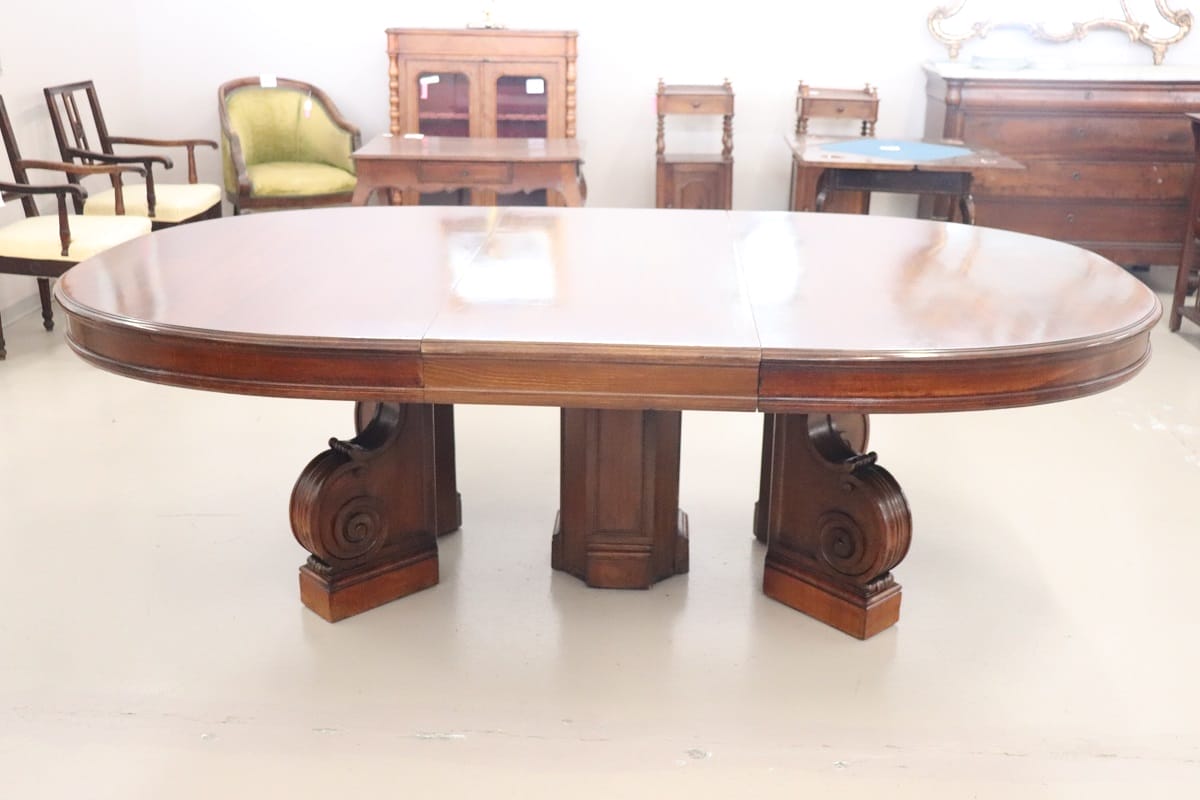
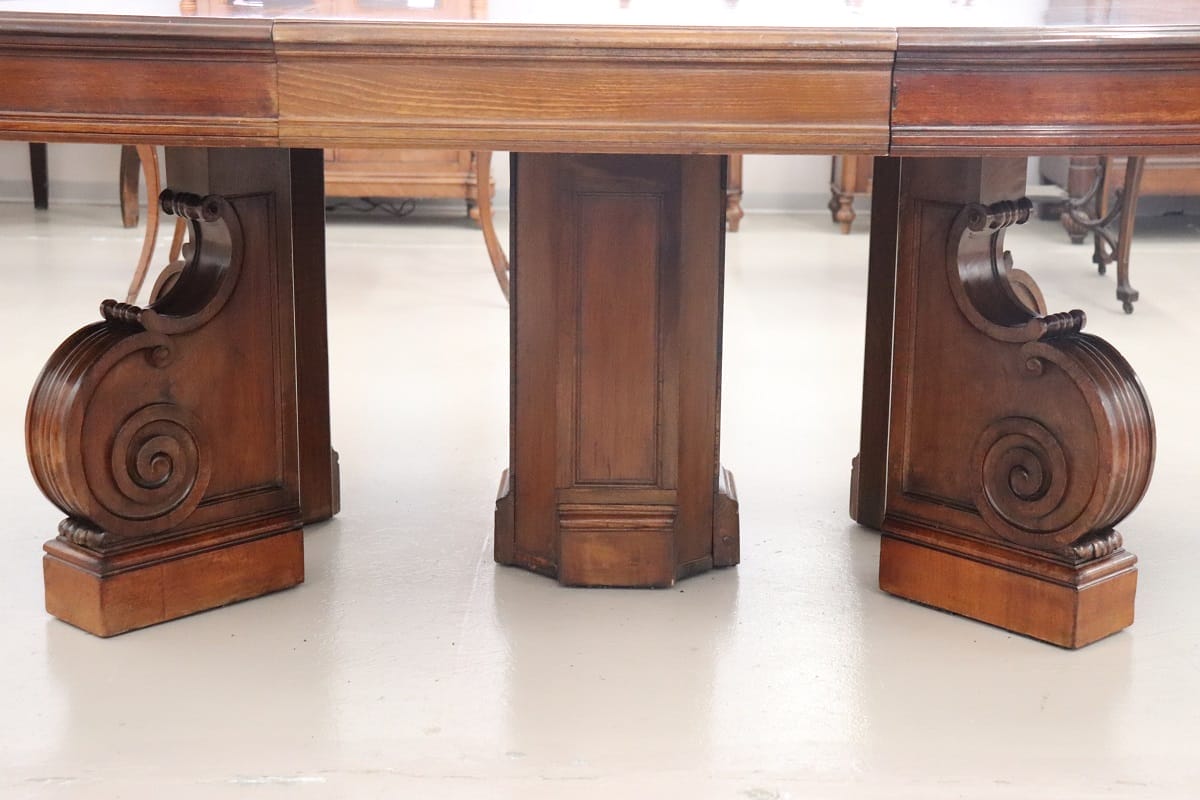
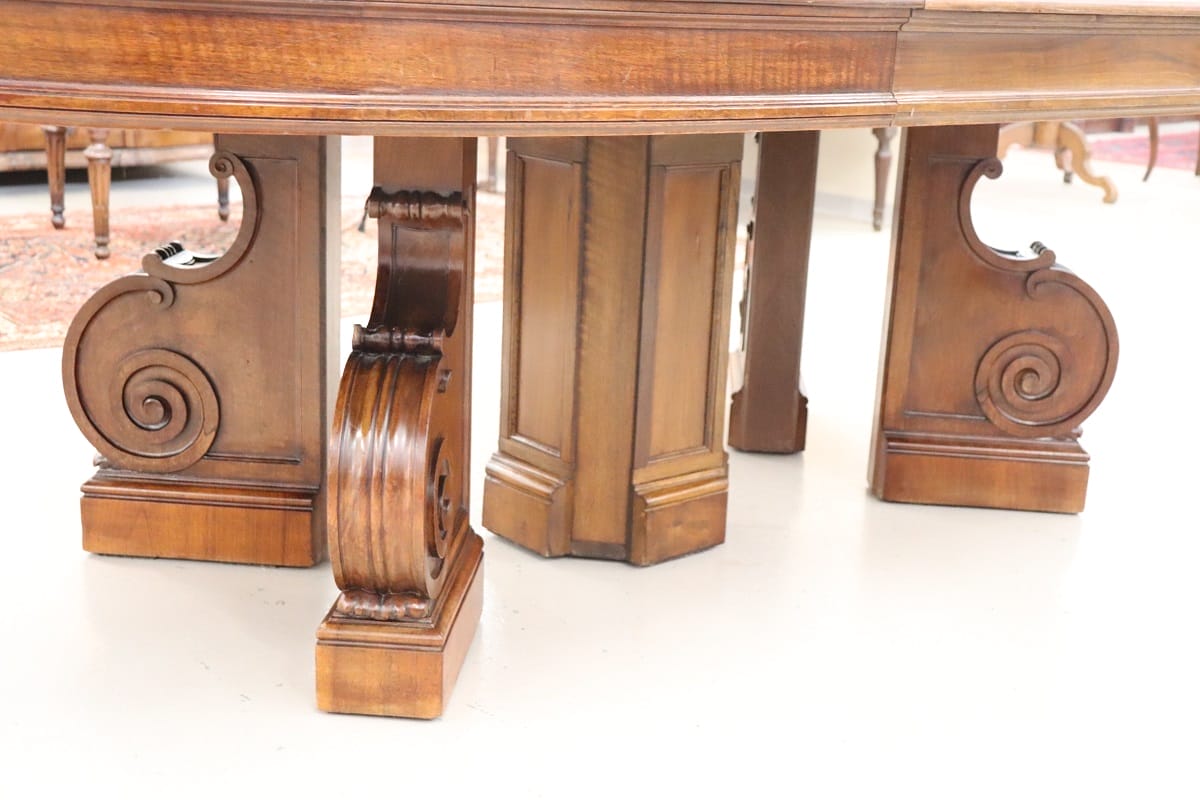
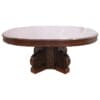
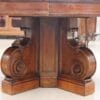
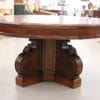
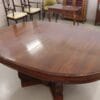
This is a stunning Italian oval extendable dining table, crafted from walnut and dating to the late 19th century. The elegant oval top rests on a sturdy central shaft decorated with intricate scrollwork, demonstrating exquisite craftsmanship and timeless appeal.
Incredible length and customization options. This stunning table can reach a remarkable 7,80 meters, comfortably seating a large number of guests. Its exclusive design features a central divider, with both sides supported by legs that separate to support the ends, ensuring stability throughout its dimensions.
The table currently comes with a 60 cm extension tabletop. Any additional tabletops must be custom-made to your needs. We offer the option of creating any desired tabletop, whether you prefer a partially or fully extended table. Please note that the creation of these tabletops is not included in the price and requires prior agreement.
The table is in excellent condition, with minor signs of wear that add to its antique charm.
This rare antique table was designed to impress. Its majestic presence and historic charm make it the ideal table for large family dinners, receptions with friends, or hosting important guests. Transform your dining room into an elegant and refined space, creating unforgettable moments around this extraordinary table.
Contact us today for more information or to discuss your customization preferences. Enhance your dining experience with this magnificent antique Italian table, where history, cabinetry, and opulence meet.
Price negotiable
Rococo Style: Birth and Development The Rococo, as a reflection of the trends, tastes and way of life of France…

The Empire style, with its magnificent fusion of majesty and grace, remains an icon of classic furnishings, exerting a timeless charm…

Giò Ponti is one of the artists who most dominated the Italian post-war period, acting as a spokesperson for important innovations in the world…
have viewed this article in the last 30 minutes.