


Rococo Style: How it Distincts in Architecture, Furnishings and Painting
Rococo Style: Birth and Development The Rococo, as a reflection of the trends, tastes and way of life of France…





Second half of the 17th century.
210x65,5 cm., height 113 cm.
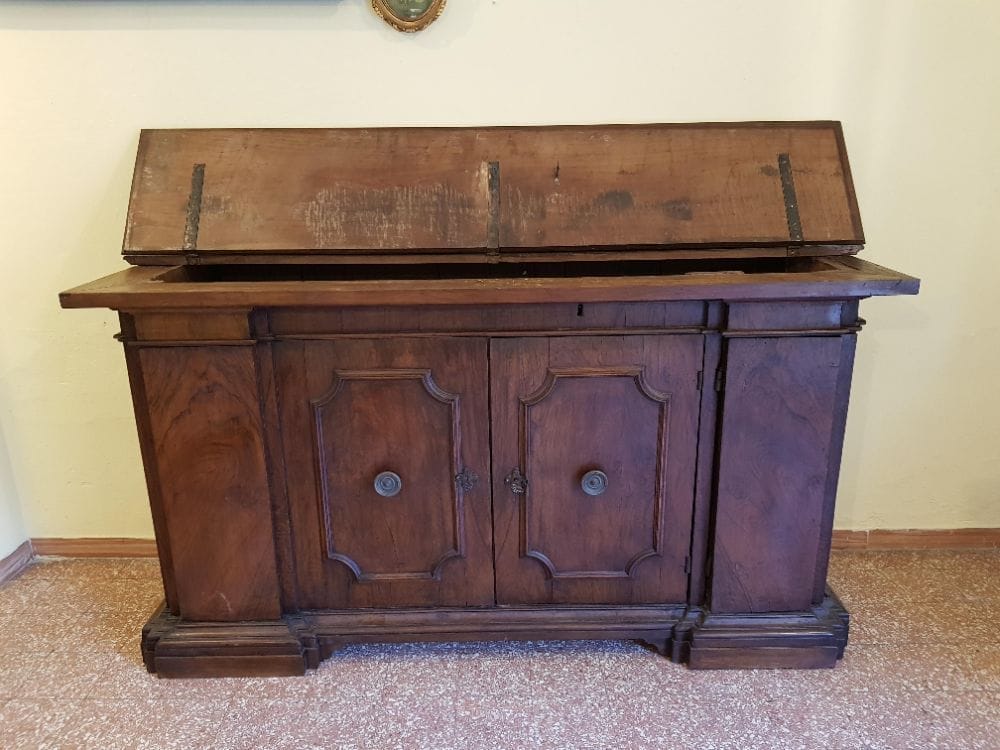
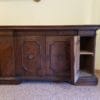
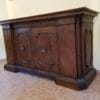
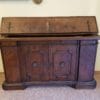
One of a pair of walnut sideboards (the second example is published in the previous post). Emilia, second half of the 17th century.
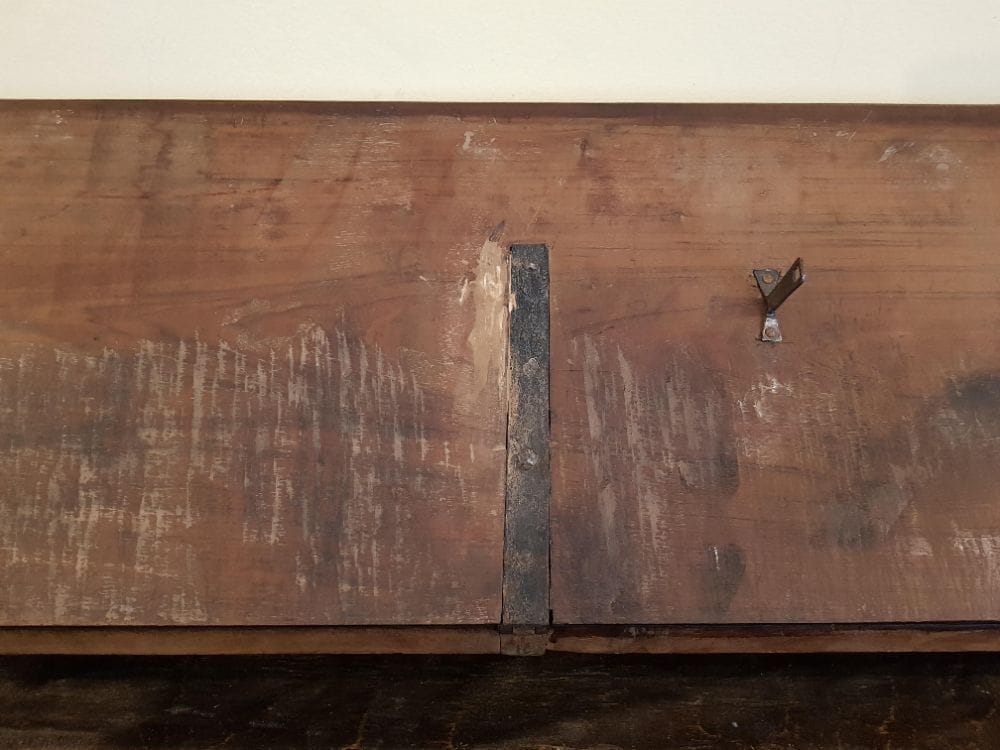
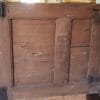
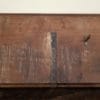
The cabinet has a cupboard lid made of solid walnut, while the entire lower body of the cabinet is encrusted in thick walnut and burr walnut strips, on a soft wood structure (poplar and fir).
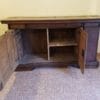
On the front, framed by two monumental pilasters, there are two large doors, decorated with mixed-line ashlars, also present on the sides, created thanks to the use of finely molded frames.
The original backrest, in chestnut essence, suggests that the sideboard was created in the Apennine area.
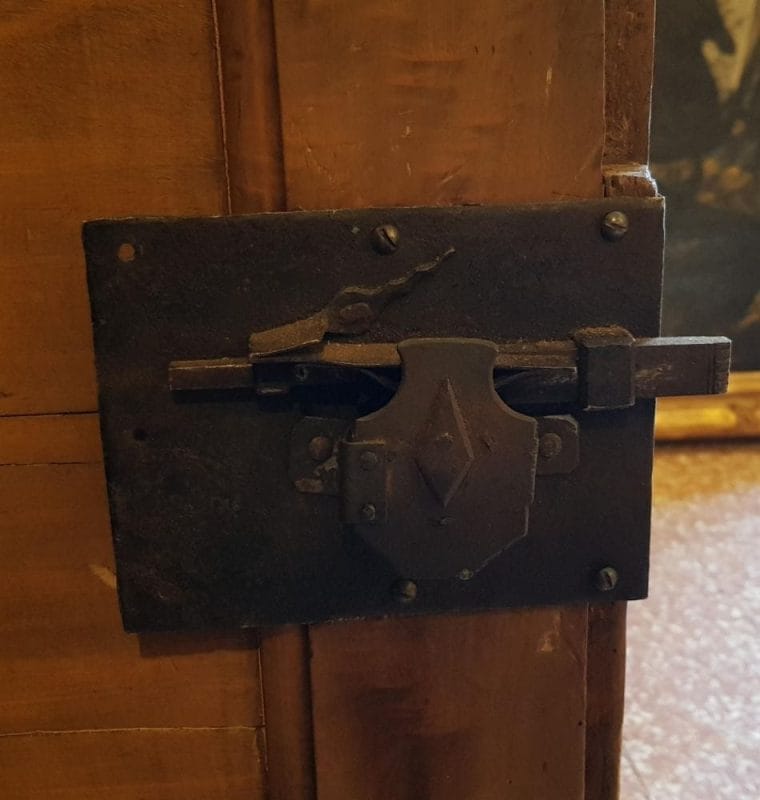
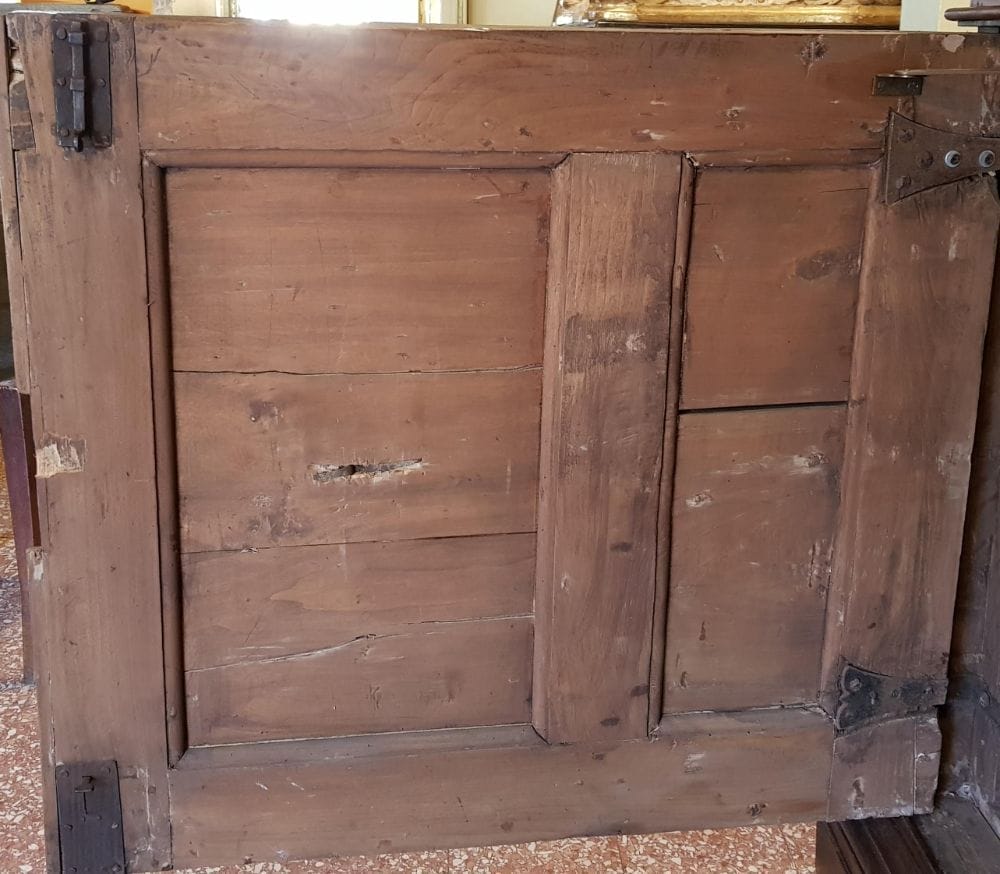
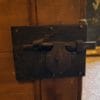
All the furniture hardware, i.e. bronze locks, hinges, escutcheons and knobs, is original and contemporary with the furniture.
The piece of furniture in question differs from the twin published in the previous announcement due to two small differences. One is made up of the measurements of the front: the sideboard in the photo has a 210 cm wide front. unlike its counterpart, which is 3 cm wider. Secondly, in the model in question, one of the pilasters opens, like a small third secret door.
Excellent state of conservation.
Certification of originality and lawful origin is issued in accordance with the law.
Rococo Style: Birth and Development The Rococo, as a reflection of the trends, tastes and way of life of France…

The Empire style, with its magnificent fusion of majesty and grace, remains an icon of classic furnishings, exerting a timeless charm…

Giò Ponti is one of the artists who most dominated the Italian post-war period, acting as a spokesperson for important innovations in the world…
have viewed this article in the last 30 minutes.